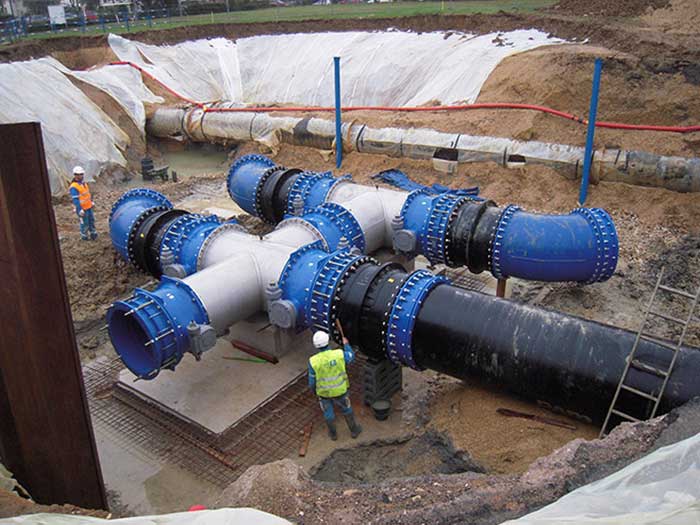
1.1 Transportation
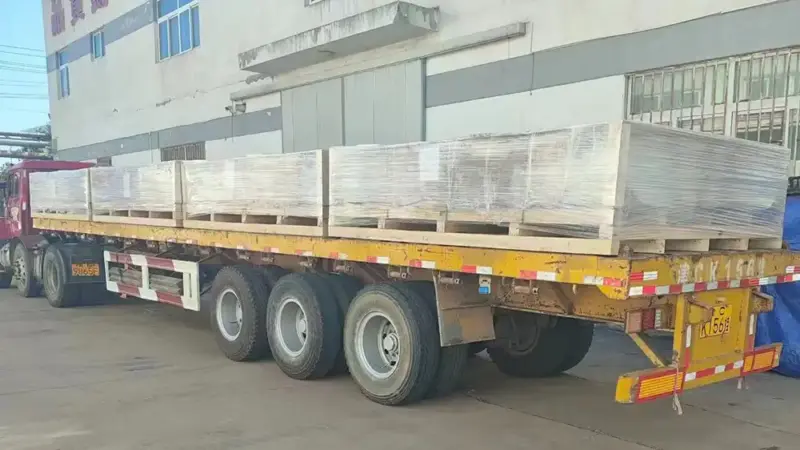
1. Packaging: Ensure the valve is packed in protective material (wooden crate, anti-moisture wrap).
2. Handling: Use lifting lugs or straps around the valve body — never lift by actuator or accessories.
3. Positioning: Keep valve in upright position; avoid laying it horizontally unless specified.
4. Protection: Avoid exposure to rain, dust, or corrosive environments.
1.2 Storage
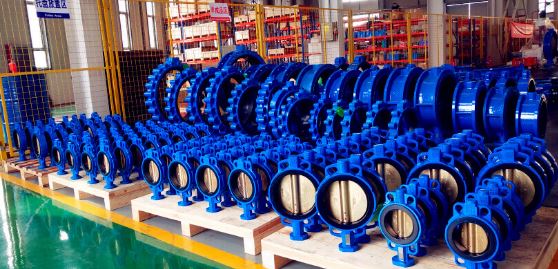
1. Environment: Store in a clean, dry, vibration-free area.
2. Temperature: Maintain ambient temperature as per manufacturer's specification.
3. Inspection: Check monthly for signs of corrosion, dust, or moisture.
4. Ports: Keep end flanges or ports sealed to prevent ingress of dirt and moisture.
2.1 Pre-Installation Checks
1. Visual Inspection:
a. Ensure no mechanical damage or corrosion.
b. Verify valve model and size per system design.
2. Functionality Test:
a. Stroke test the valve manually or via actuator.
b. Confirm smooth movement with no obstruction.
3. Accessory Check:
a. Confirm proper installation of positioner, solenoid valve, limit switches, etc.
b. Ensure pipeline and valve are free from foreign materials.
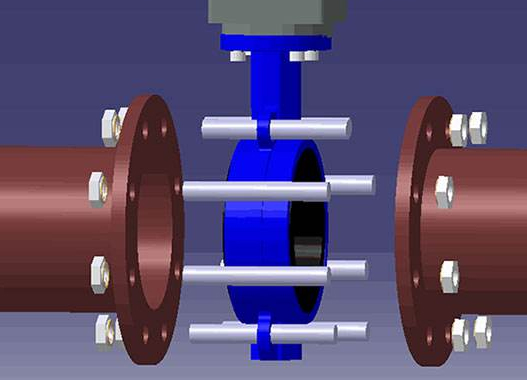
2.2 Installation Guidelines
1. Orientation: Follow flow direction as marked on valve body.
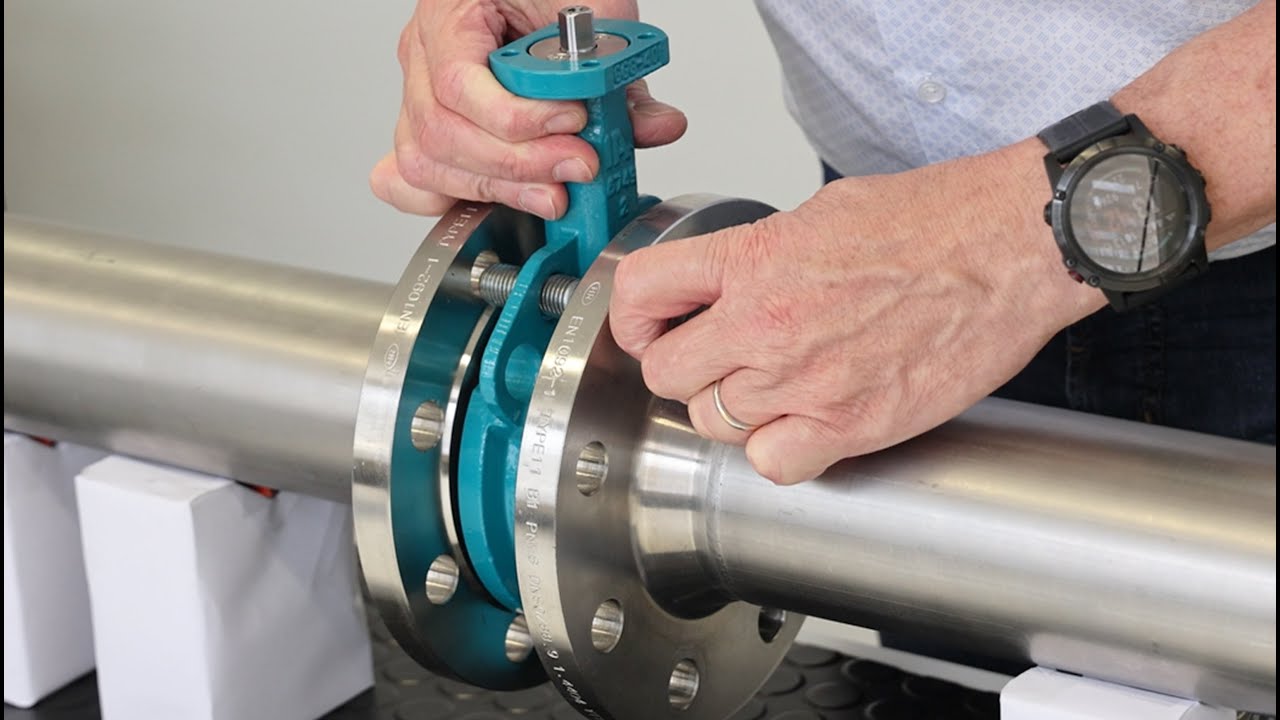
2. Piping Alignment: Ensure pipe flanges are aligned and stress-free.
3. Support: Provide pipe supports near the valve to prevent stress on body.
4. Gasket: Use appropriate gaskets to match pressure class and media compatibility.
5. Bolting: Tighten flange bolts in crisscross pattern to ensure even compression.
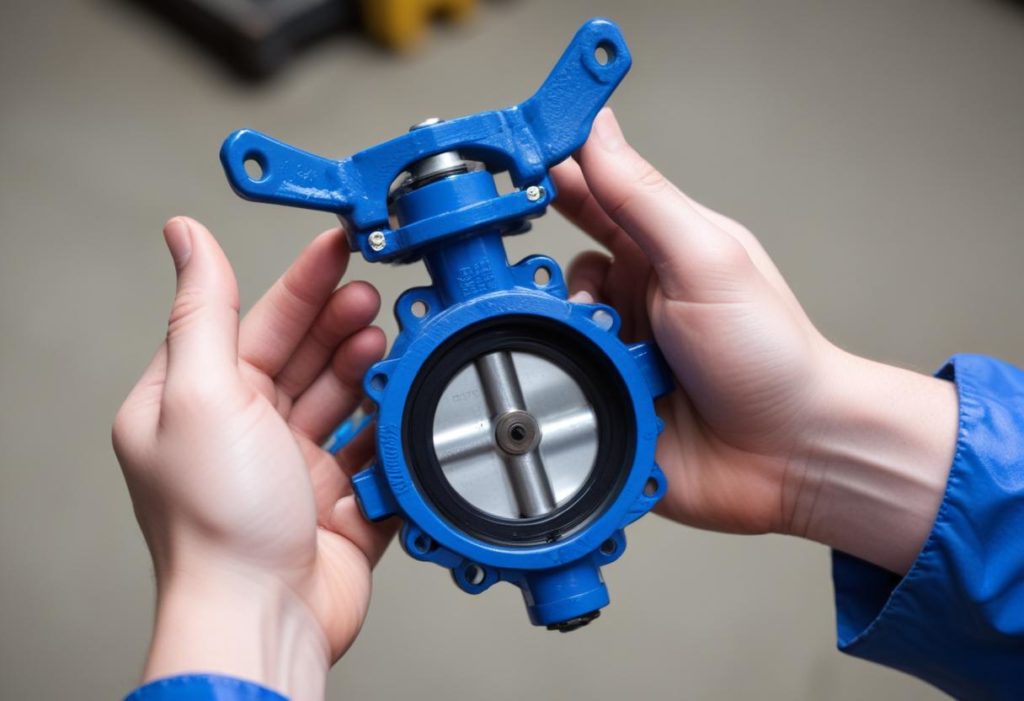
1. Routine Inspection:
a. Every 3–6 months, depending on duty cycle.
b. Check actuator, seals, and packing.
2. Lubrication:
a. Apply as per manufacturer’s recommendations.
3. Packing Adjustment/Replacement:
a. . Retighten if minor leak observed.
b. Replace if packing is worn.
4. Actuator:
a. Inspect diaphragm/piston and springs.
b. Replace any cracked or worn parts.
5. Cleaning:
a. Remove deposits or scale inside valve body.
6. Recordkeeping:
a. Maintain service logs including part replacements and calibration.
1. Personnel Safety:
a. Wear PPE: gloves, goggles, safety boots.
b. Ensure system is depressurized before servicing.
2. Electrical Safety:
a. Disconnect electrical connections before working on positioners or solenoids.
3. Pneumatic Safety:
a. Shut off and bleed air supply before maintenance.
4. Valve Handling:
a. Do not apply torque to actuator or accessories while installing valve.
5. Fire and Hazardous Media:
a. Use flameproof enclosures in explosive environments.
b. Identify and handle hazardous media per safety datasheets (MSDS).