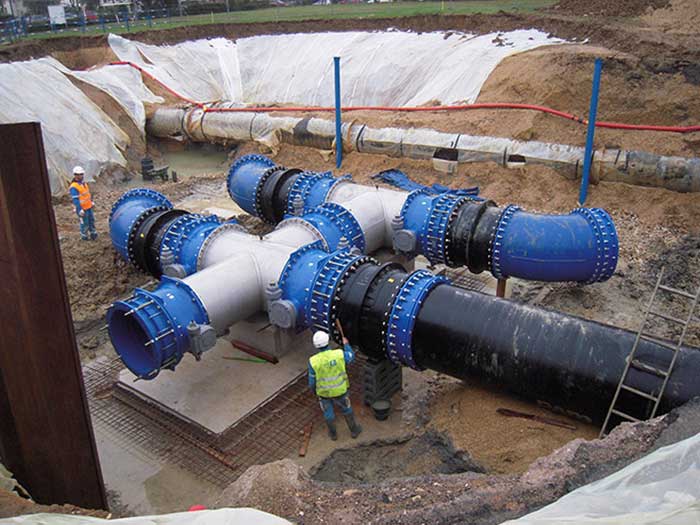
1.1 Transportation
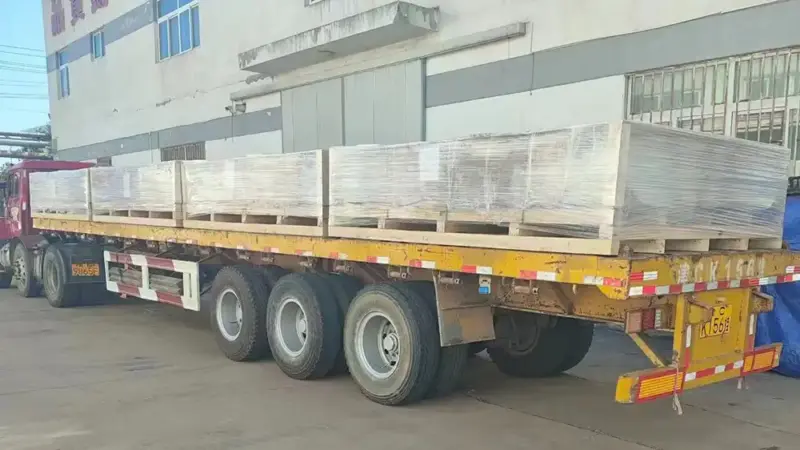
1. Ensure the valve is securely packed to avoid mechanical damage.
2. Do not lift the valve using the handwheel, stem, or actuator; use slings or lifting lugs if provided.
3. Protect the valve ends (flanged, threaded, or welded) with end caps during transit.
4. Avoid exposure to excessive vibration, moisture, and dust during transportation.
1.2 Storage
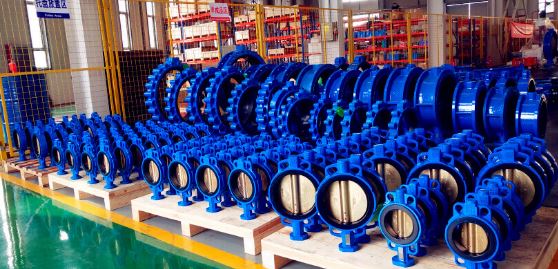
1. Store valves in a dry, well-ventilated area away from direct sunlight or rain.
2. Keep valves off the ground using pallets or wooden blocks to prevent contamination.
3. Leave protective end caps and covers in place until installation.
4. For long-term storage, inspect periodically for signs of corrosion or damage.
2.1 Pre-Installation Checks
1. Confirm valve type, size, pressure rating, and material are suitable for the application.
2. Inspect for physical damage, dirt, rust, or foreign particles inside the valve.
3. Operate the valve manually to ensure smooth and full movement.
4. Check gasket surfaces and ensure end connections are clean and undamaged.
5. Ensure system piping is properly aligned to avoid stress on the valve.
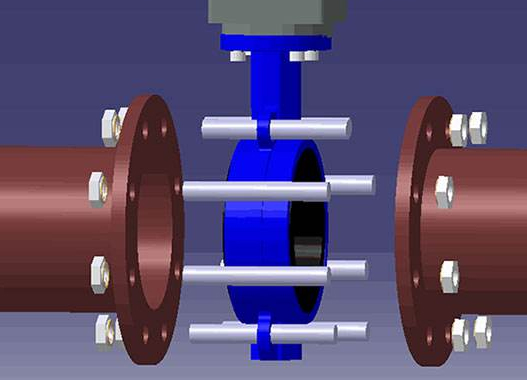
2.2 Installation Guidelines
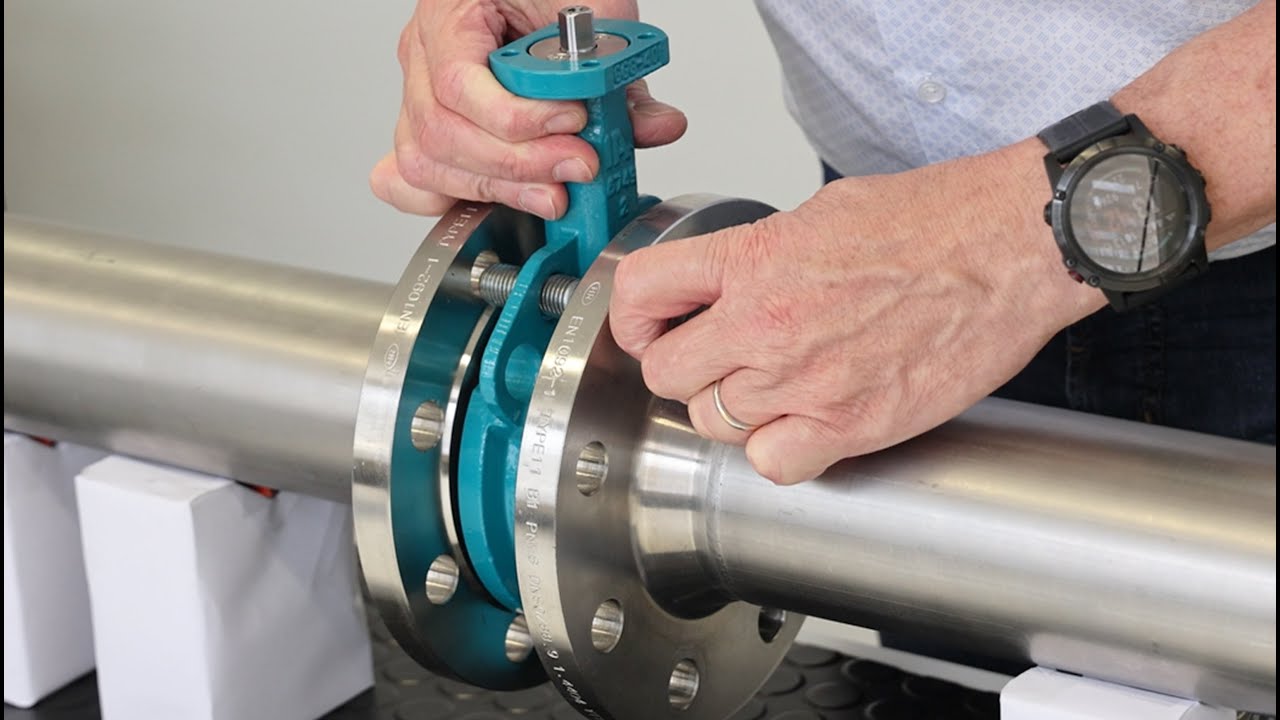
1. Install the valve in the correct orientation as per flow direction marked (if any).
2. Use appropriate gaskets, flanges, and sealants compatible with valve and media.
3. Tighten bolts in a criss-cross pattern to ensure uniform load distribution.
4. Do not overtighten flanged connections, which may cause distortion or damage.
5. Support piping properly to prevent load on the valve body.
6. After installation, test the valve for leakage at open and closed positions.
1. Valve does not operate smoothly: Check for debris, bent stem, or damaged internals.
2. Leakage at body or bonnet: Inspect gasket/seals, and ensure bolts are torqued correctly.
3. Seat leakage: Possible wear, debris, or improper closure – clean or replace internals.
4. Valve hard to operate: Stem may be bent, dry, or corroded – apply lubrication or replace parts.
5. Unusual noise or vibration: May indicate cavitation, high flow velocity, or mechanical damage.
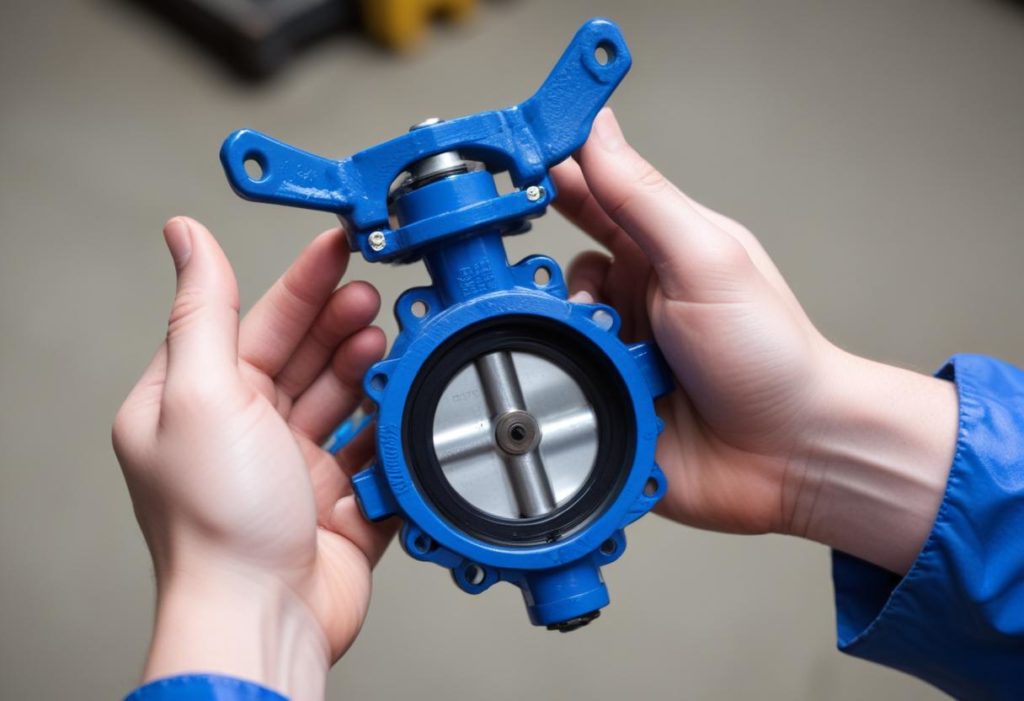
1. Periodically inspect for leaks, corrosion, or unusual wear.
2. Lubricate the stem and moving parts as per manufacturer's recommendation.
3. Operate the valve fully open and closed periodically to prevent sticking.
4. Replace seals, gaskets, and worn parts as needed.
5. Maintain records of inspections, repairs, and part replacements.
1. Always depressurize the pipeline before inspection or removal.
2. Use PPE: gloves, goggles, safety boots when handling.
3. Never use the valve as a structural support or step.
4. Do not modify or tamper with pressure-rated components.
5. Ensure valve compatibility with fluid type, temperature, and pressure.
6. Follow local safety codes and industry standards during work.