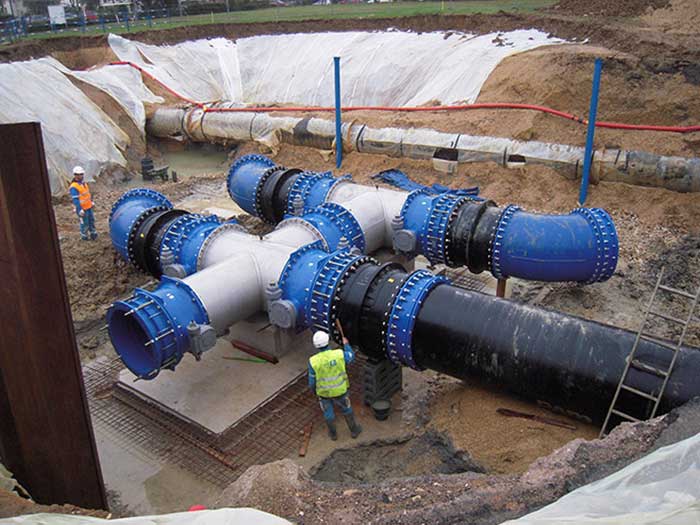
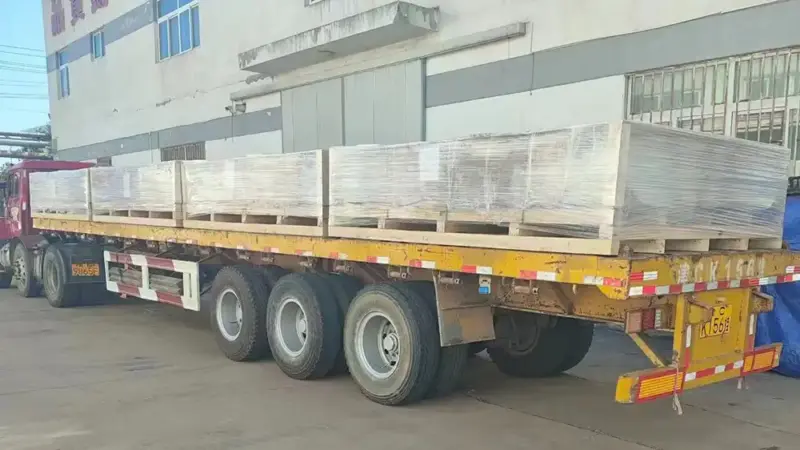
1.1 Transportation
- Handle the valve carefully to prevent damage to the body, disc, or actuator.
- Use lifting lugs or slings to lift large valves. Do not lift by actuator or handwheel.
- Keep valve in the closed or slightly open position during transport to protect the sealing surfaces.
1.2 Storage
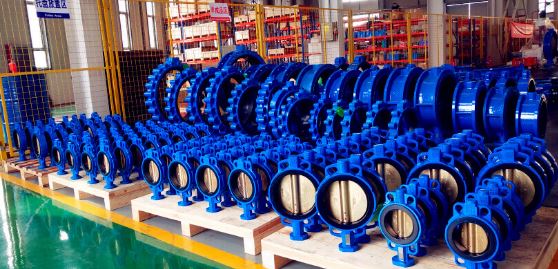
- Store valves indoors in a clean, dry environment.
- Protect from moisture, dust, and chemical exposure.
- Plug or cap all open ends to prevent entry of foreign matter.
- For long-term storage (more than 6 months), operate the valve periodically and apply
anti-corrosion oil to metal surfaces
2.1 Pre-Installation Checks
-Confirm valve type, pressure rating, and material are suitable for the intended service.
- Check for shipping damage or missing parts.
- Clean pipe ends and remove debris or foreign materials
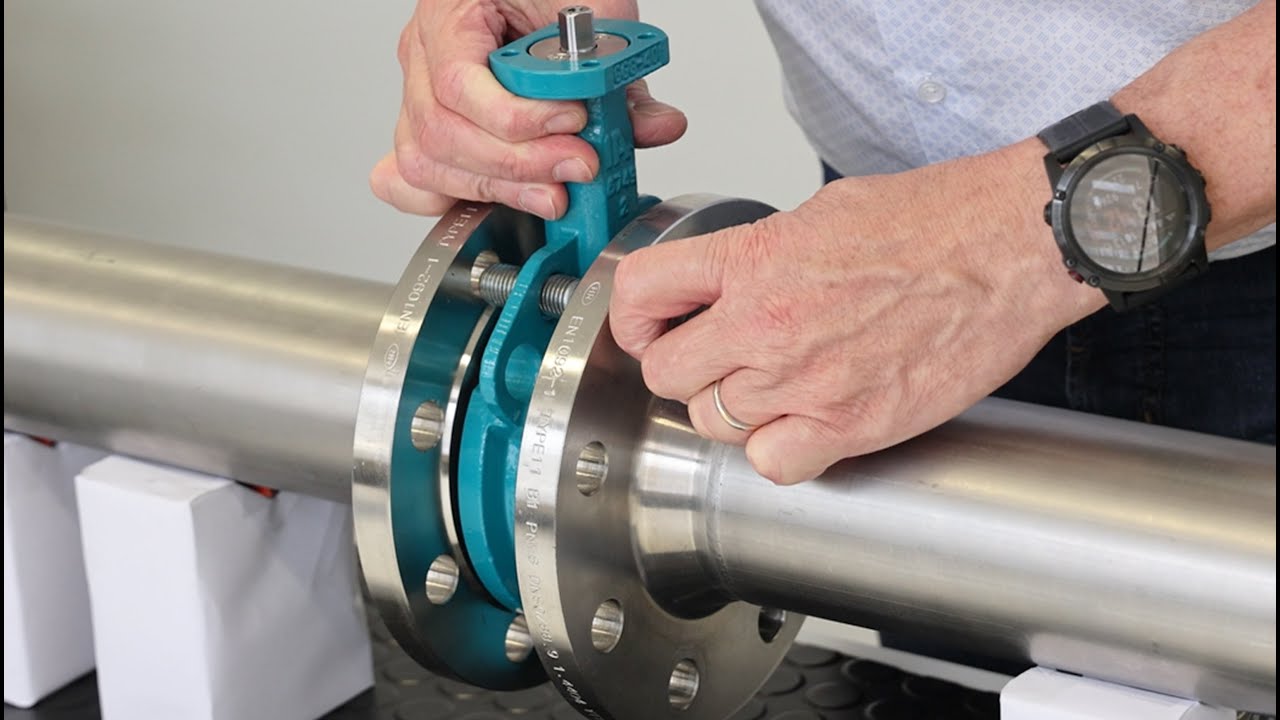
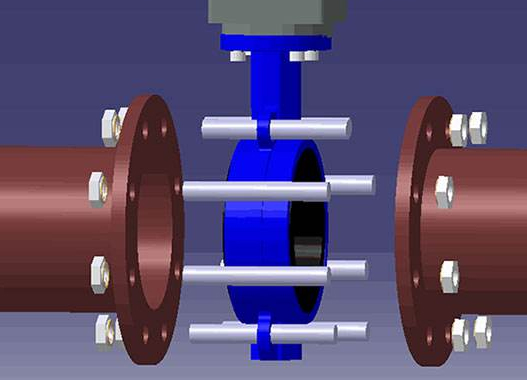
2.2 Installation Guidelines
-Install the valve with the disc in a slightly open position to avoid damage.
- Butterfly valves can be installed in any orientation (horizontal or vertical) unless otherwise
specified.
- Align flanges accurately; avoid pipe strain.
- Do not use the valve body to pull the piping into alignment.
- Ensure proper gasket and flange compatibility.
- Tighten flange bolts in a crisscross pattern evenly to avoid leakage or distortion
Issue: Valve leaks when closed
- Possible Cause: Worn seat, damaged disc or debris inside
-Solution: Clean internals; replace seat if needed
Issue: Hard to operate
- Possible Cause: Corrosion, dry stem, actuator malfunction
- Solution: Lubricate stem; inspect actuator
Issue: Leakage at flange
- Possible Cause: Improper gasket, loose bolts, misalignment- Solution: Check gasket, retighten or realign flange
Issue: Vibrations or noise
- Possible Cause: Improper installation, cavitation, turbulence- Solution: Ensure proper sizing and flow condition
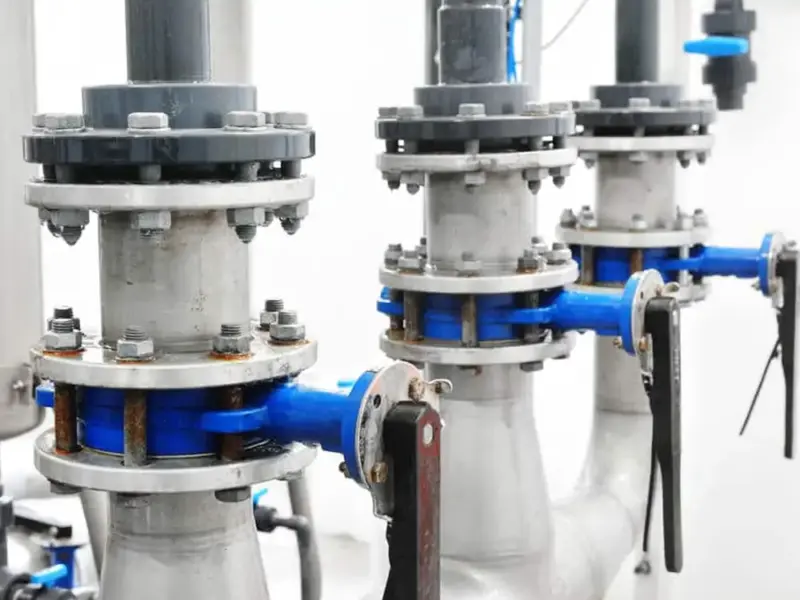
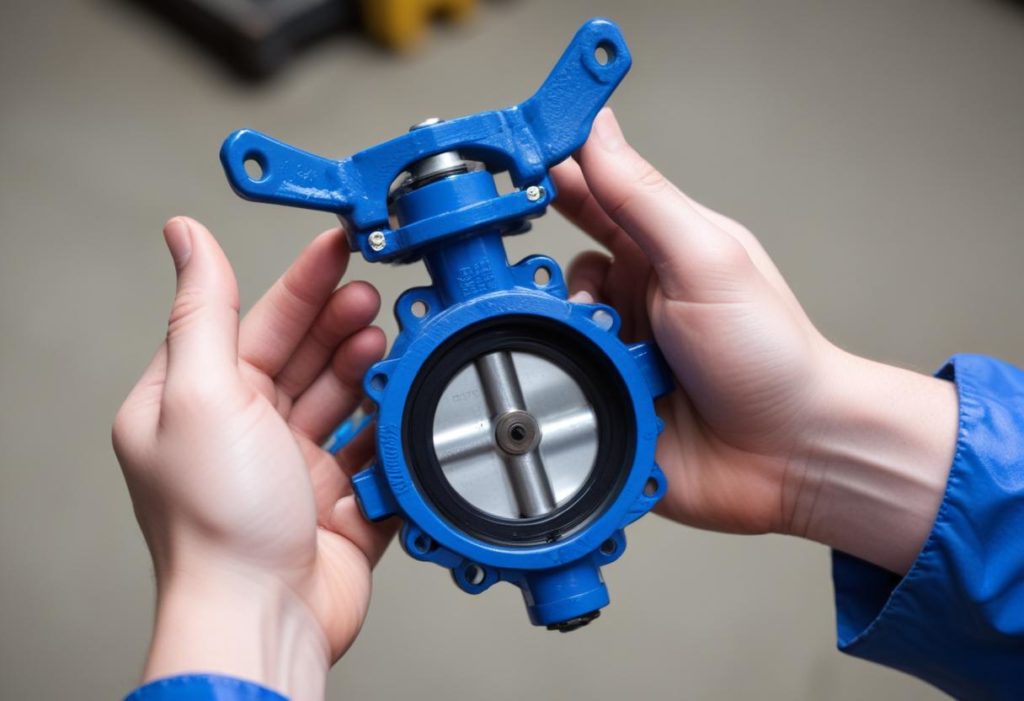
4.1 Periodic Inspection
- Visually inspect for corrosion, wear, or leakage.
- Check for actuator performance (if automated).
- Inspect flange bolts and gaskets for tightness and integrity
4.2 Routine Maintenance
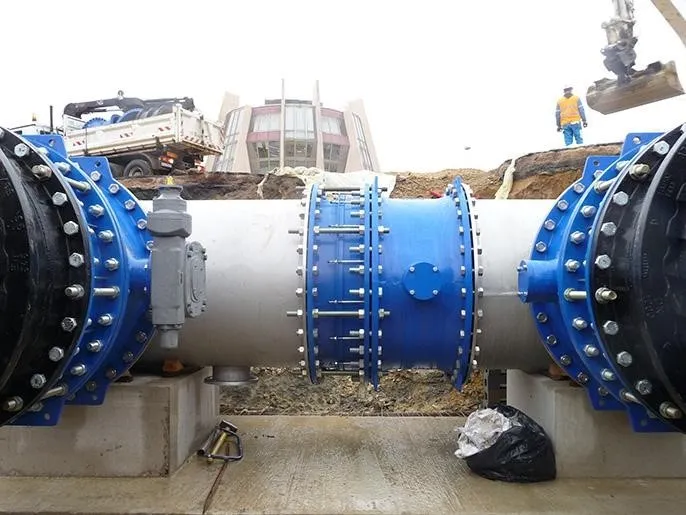
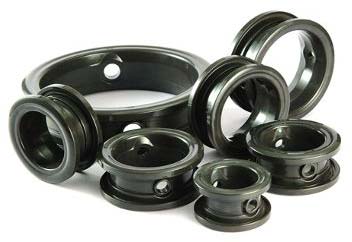
4.3 Replacement of Seals or Seats
- Isolate the valve from line pressure.
- Remove the valve from the pipeline if necessary.
- Disassemble following manufacturer's guidance.
- Replace worn parts with genuine spare parts.
- Reassemble and pressure.
-test before reinstallation
- Always depressurize the line before working on the valve.
- Use appropriate personal protective equipment (PPE).
- Ensure actuator power supply is disconnected before servicing