A Globe Valve is used to regulate flow in a pipeline. It consists of a movable disk-type element and a stationary ring seat in a generally spherical body. This manual outlines best practices for transportation, storage, installation, troubleshooting, and maintenance to ensure optimal performance and long service life.

2.1 Transportation
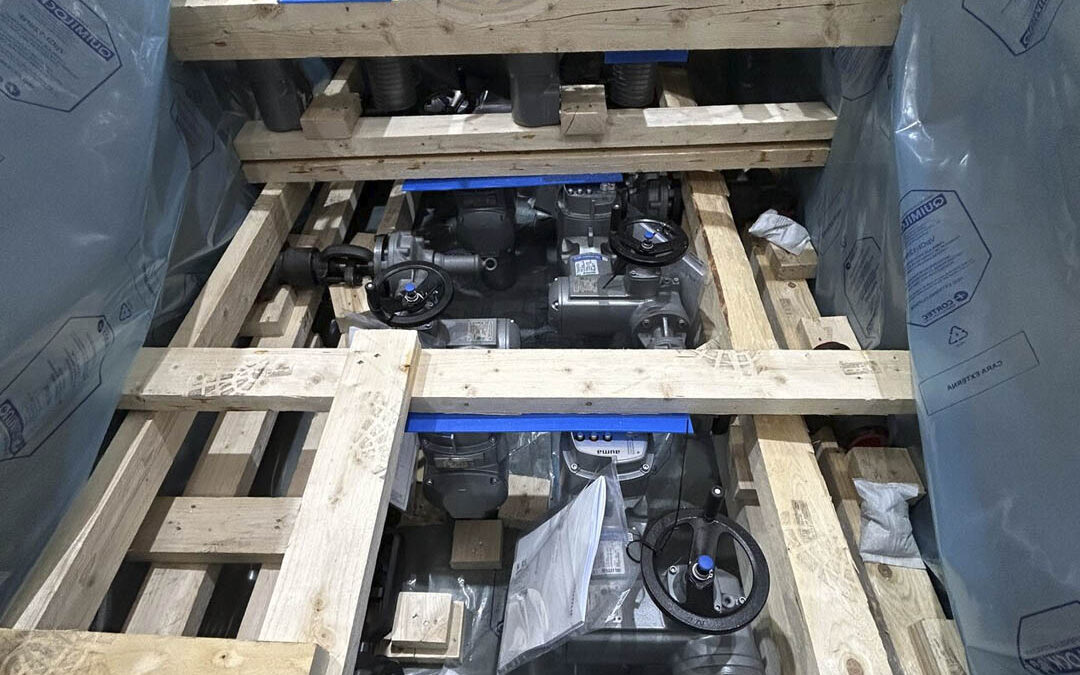
Transport in original packaging to prevent damage.
Avoid impact or dropping the valve.
Use proper lifting equipment for heavy valves.
Secure during transport to avoid vibration or movement.
2.2 Storage
Store in a dry, covered, and ventilated area.
Keep valve ends covered to avoid ingress of dust and debris.
Avoid direct sunlight and extreme temperatures.
Do not stack heavy materials on top of the valve.
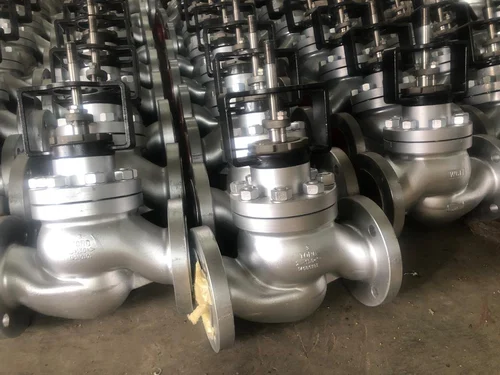

3.1 Pre-Installation
Ensure the valve matches system specifications (size, pressure, temperature).
Inspect the valve for visible damage or debris.
Clean the pipeline to remove dirt, scale, or welding residues.
3.2 Installation Procedure
Install the valve in the correct flow direction indicated on the body.
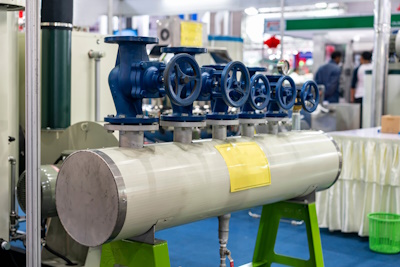
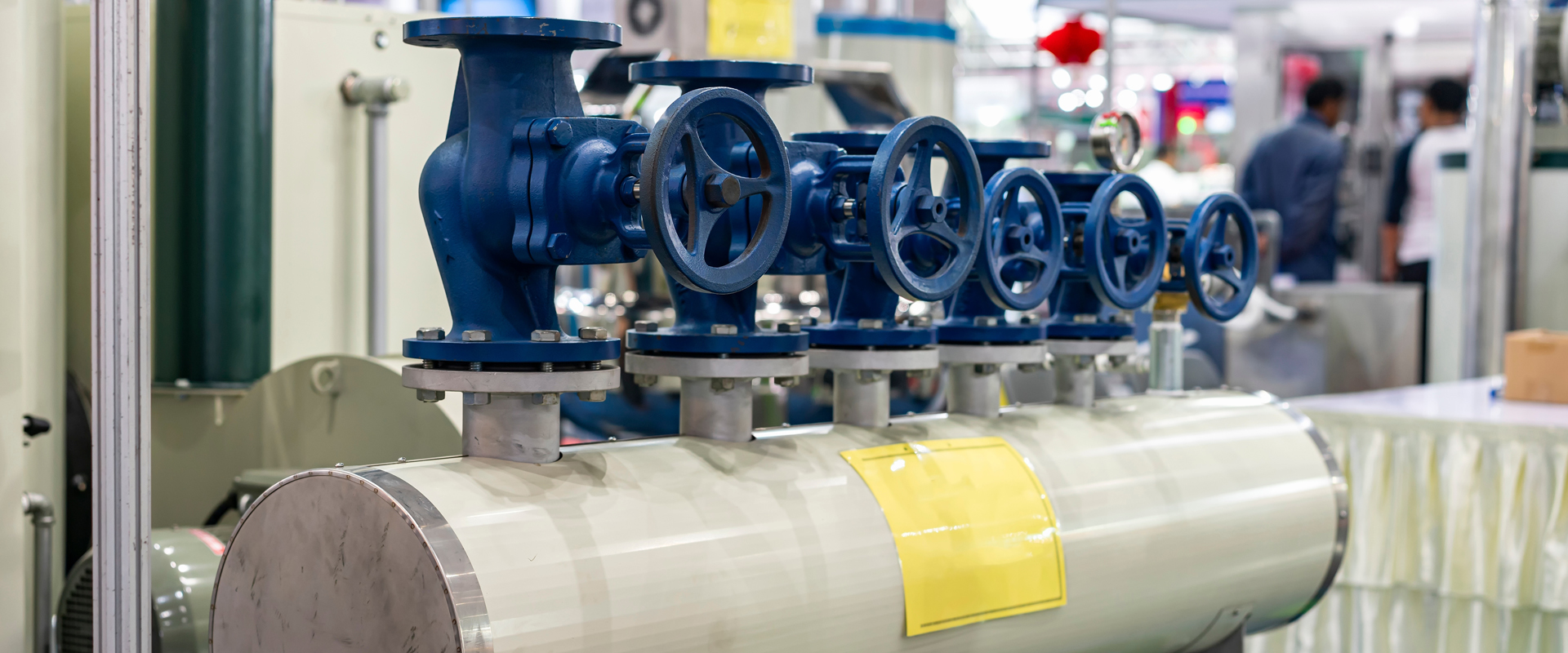
Globe valves are typically installed with the flow under the disc to reduce wear.
Use appropriate gaskets and ensure flanges are clean and aligned.
Apply uniform torque to bolts to avoid distortion.
Support pipework adequately to avoid loading the valve.


3.3 Actuator and Accessories
If an actuator is used, ensure correct alignment and connection.
Check the travel limits of the actuator.
Connect all control wiring according to the wiring diagram (if electric/pneumatic).
Operate the valve within its rated pressure and temperature limits.
Turn the handwheel slowly to avoid water hammer.
Do not force the valve open or closed beyond its limits.
For throttling service, avoid leaving the valve partially open for long durations unless
it's designed for such use.
6.1 Routine Inspection
6.2 Packing Maintenance
If packing leaks, tighten gland nuts slightly.
If leakage persists, repack or replace the packing.
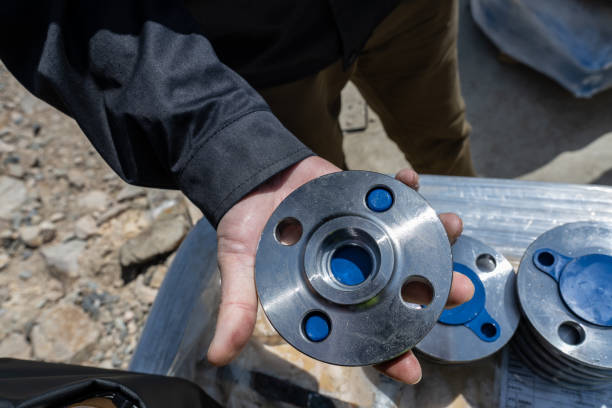
6.3 Seat and Disc Inspection
Remove valve from service and disassemble.
Inspect disc and seat for wear, scoring, or damage.
Resurface or replace parts if necessary.
6.4 Reassembly and Testing
Clean all parts thoroughly before reassembly.
Lubricate stem threads and moving parts.
Pressure-test the valve after reassembly before returning it to service.
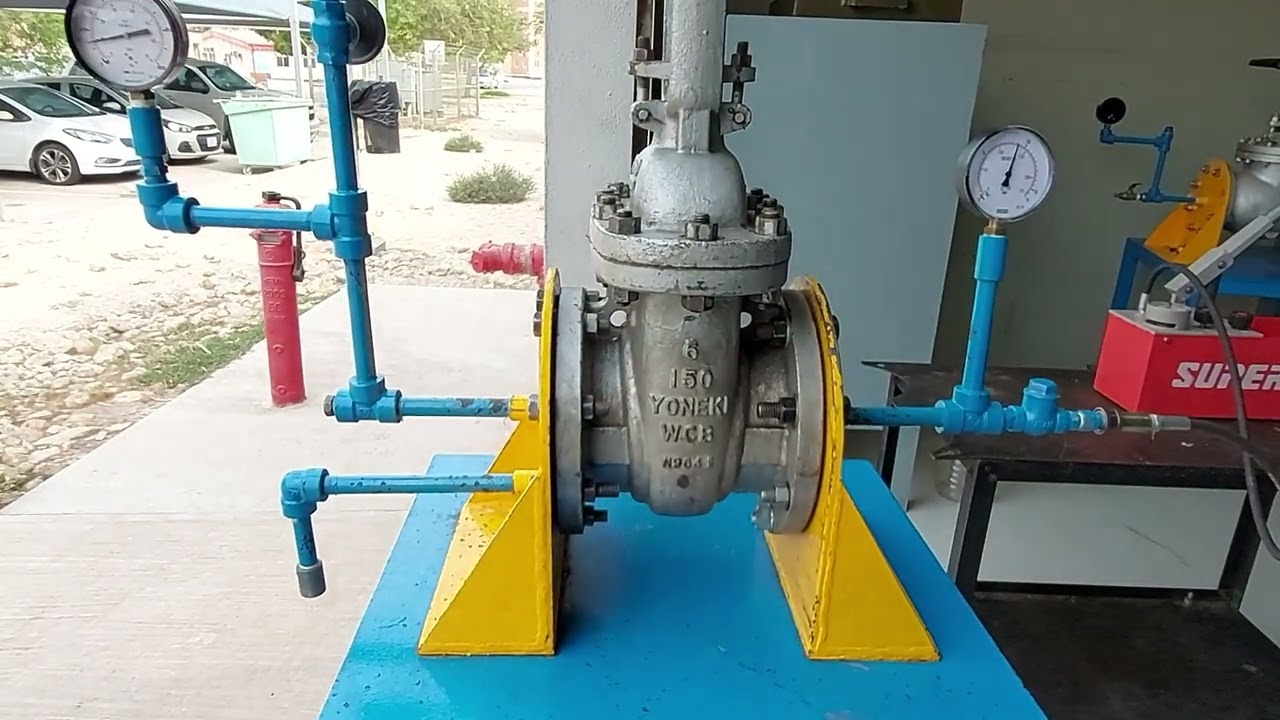

Always depressurize and drain the system before servicing.
Use appropriate PPE (gloves, goggles, etc.).
Follow your facility’s lockout/tagout (LOTO) procedures.
Do not modify the valve without manufacturer approval.
Dispose of valves according to local environmental regulations.
Recycle metal parts if possible.
Remove all oils and contaminants before disposal.