
1.1 Transportation
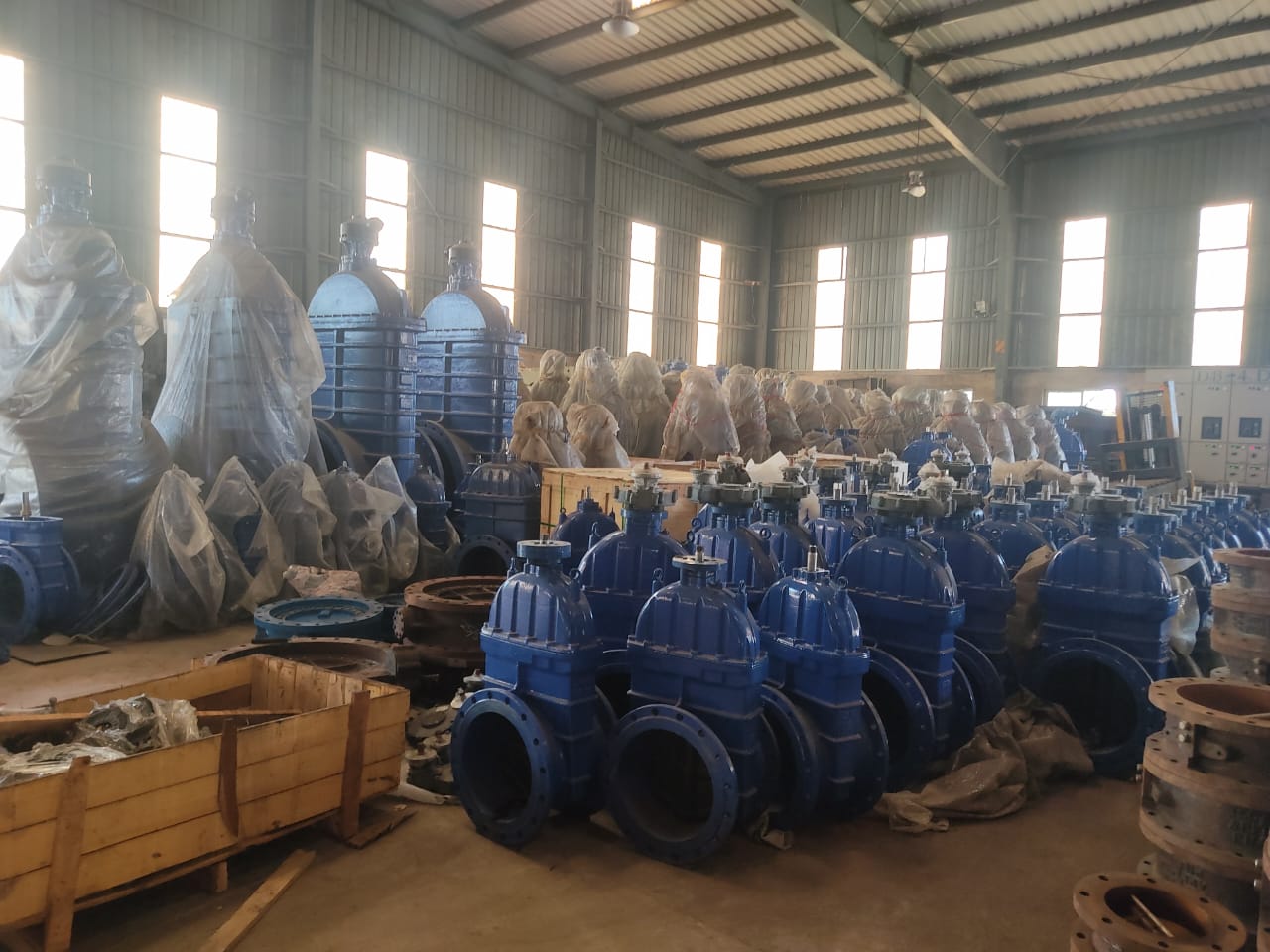
-Transport valves in the closed position to protect sealing surfaces.
- Use appropriate lifting equipment; do not lift the valve by the handwheel or stem.
- Avoid impact or dropping to prevent damage to valve components.
1.2 Storage
- Store in a clean, dry environment away from direct sunlight and corrosive chemicals.
- Cover the valve openings to prevent ingress of dust and debris.
- Periodically inspect and rotate valve stem to ensure functionality if stored longterm.

2.1 Pre-Installation Checks
- Verify the valve type, size, pressure rating, and material against service requirements.
- Inspect the valve for damage during transit or storage.
- Ensure piping is clean and aligned to prevent stress on valve body.
2.2 Installation Guidelines
- Install the valve in the correct flow direction as indicated by the arrow on the body.
- Ensure valves are fully closed before installation.
- Support the valve to avoid unnecessary pipe strain.
- Use appropriate gaskets and tighten bolts in a crisscross pattern evenly.
- Allow sufficient space for handwheel or actuator operation and maintenance access.


Issue: Valve leaking when closed
- Possible Cause: Worn or damaged seat or gate.
- Solution: Inspect sealing surfaces; repair or replace parts as needed.
Issue: Valve difficult to operate
- Possible Cause: Corrosion or debris on stem/gate.
- Solution: Clean components; lubricate stem; check for actuator faults.

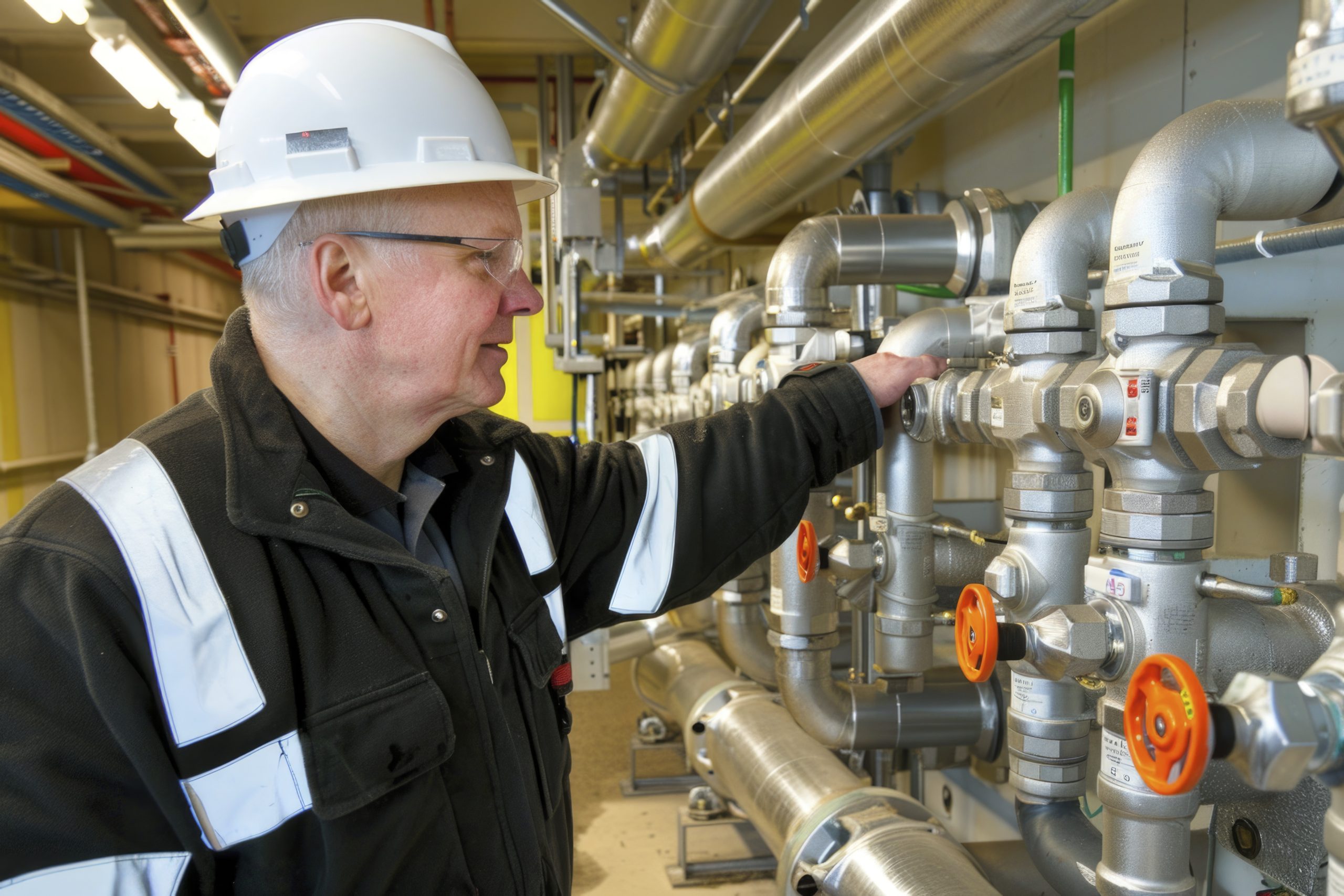
Issue: Leakage at bonnet or flanges
- Possible Cause: Gasket failure or loose bolts.
- Solution: Replace gasket; tighten or replace bolt.
Issue: No flow despite valve being open
- Possible Cause: Gate jammed or disconnected stem.
- Solution: Inspect internals; check stem connection and gate movement.

4.1 Periodic Inspection
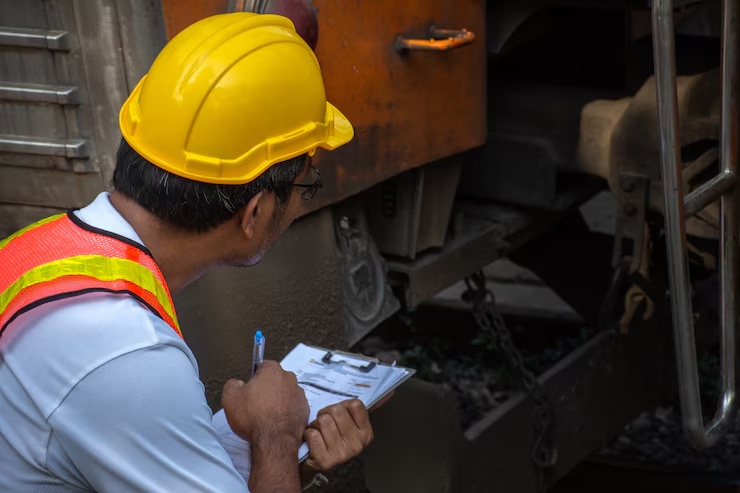
- Check valve operation regularly by fully opening and closing.
- Look for signs of leakage, corrosion, or mechanical wear.
- Inspect bolts, gaskets, and paint coating.
4.2 Routine Maintenance

4.3 Overhaul Procedure
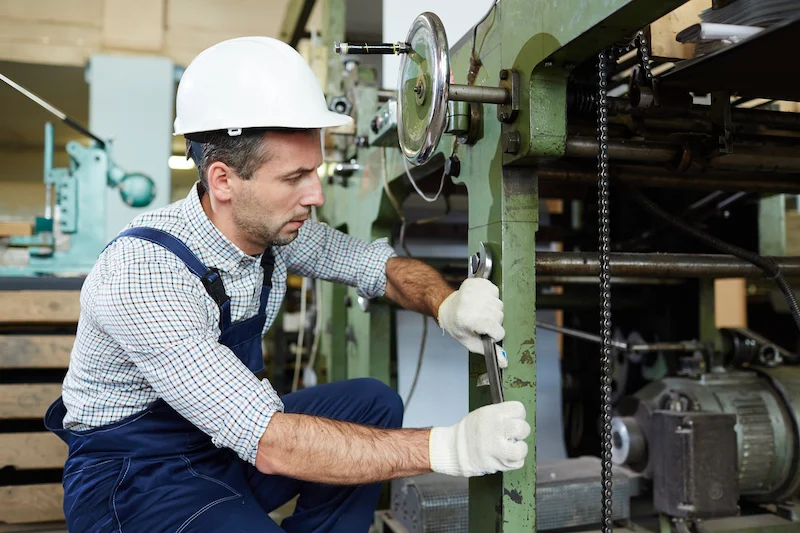
- Isolate valve from system pressure before disassembly.
- Remove bonnet to access internal components.
- Inspect and replace worn parts such as gate, seat, stem, and seals.
- Reassemble using correct torque specifications and pressure test before reinstallation.
- Always isolate and depressurize pipeline before working on the valve.
- Use proper lifting techniques and PPE.
- Confirm absence of hazardous fluids before disassembly.