A Non-Return Valve (NRV), also known as a check valve, allows fluid to flow in one direction only and prevents backflow. This manual provides guidance on handling, installation, operation, troubleshooting, and maintenance.
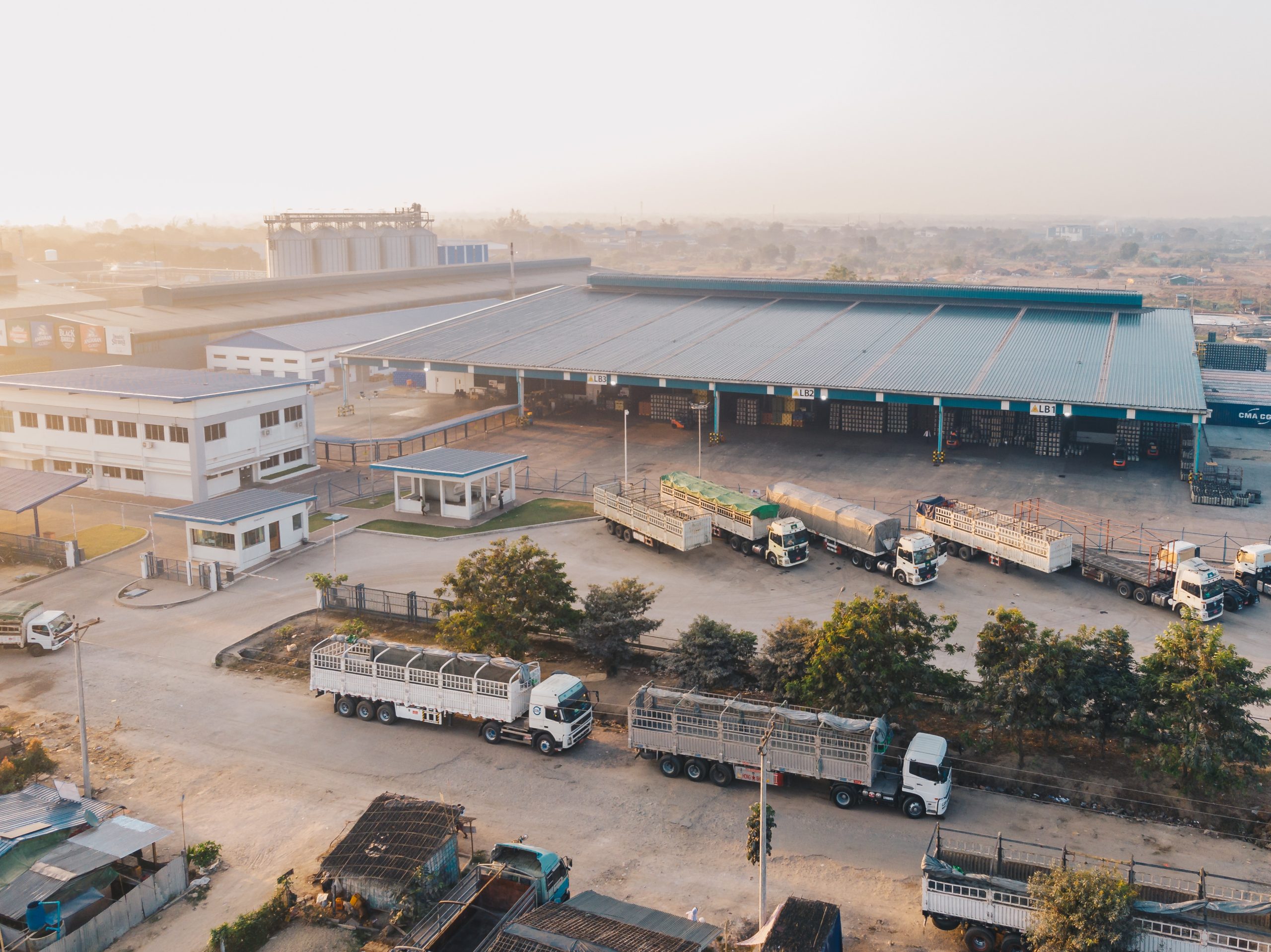
2.1 Transportation
Always transport NRVs in their original packaging.
Avoid dropping or exposing the valve to impact.
Secure during transportation to prevent movement or vibration.
2.2 Storage
Store in a clean, dry location away from direct sunlight.
Maintain ambient temperatures between 5°C and 40°C.
Ensure the valve ports are sealed to prevent dust or insects from entering.
Avoid stacking heavy items on the valve.
3.1 Pre-Installation Checks
Ensure the NRV size and pressure rating match system requirements.
Inspect the valve for physical damage.
Clean pipeline before installation to remove debris or foreign material.
3.2 Orientation
Install the NRV in the correct direction indicated by the flow arrow on the valve body.
Vertical or horizontal installation as per manufacturer’s recommendation.

3.3 Mounting
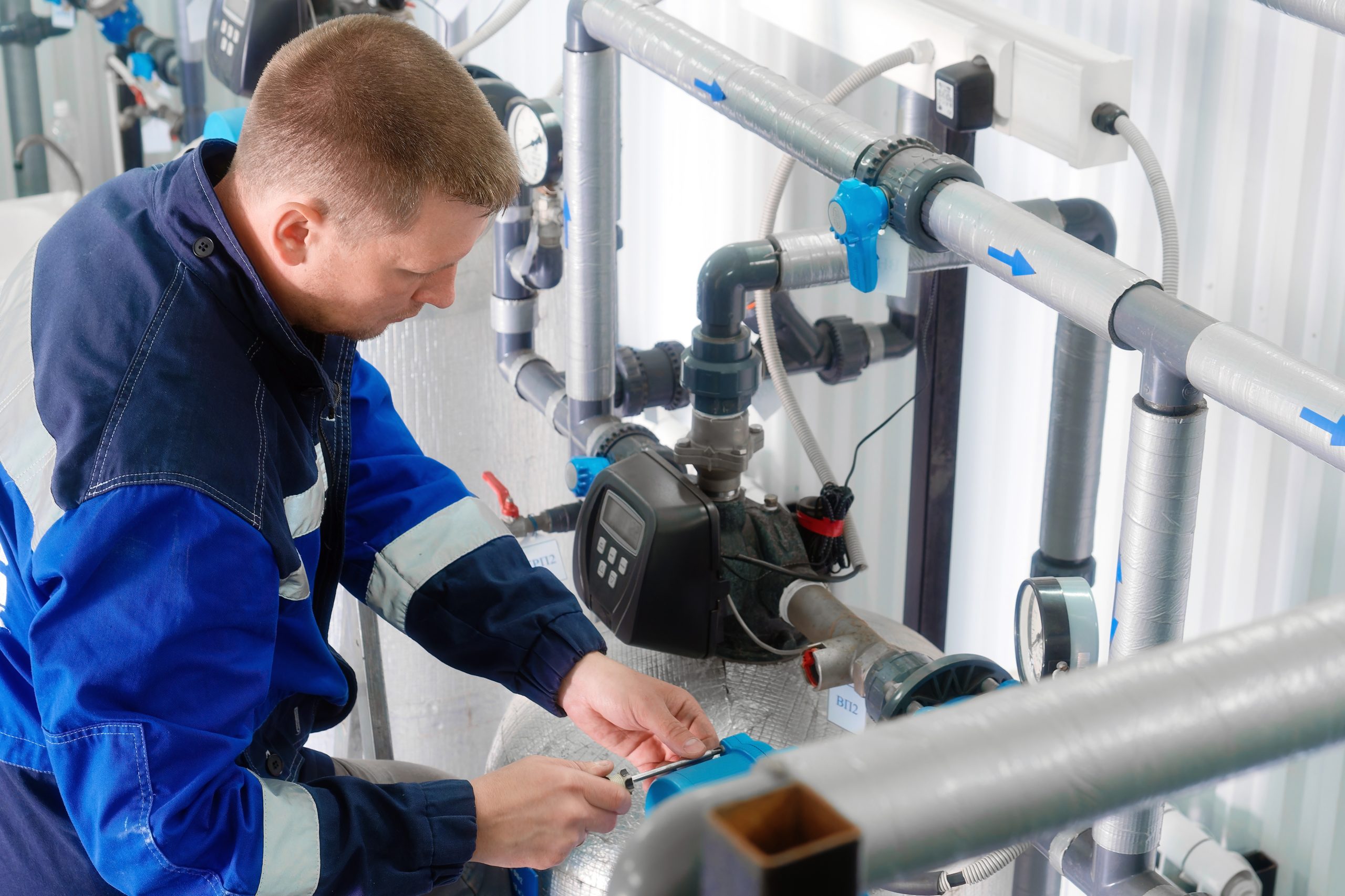
Use appropriate gaskets and fasteners.
Do not overtighten bolts – follow torque specifications.
Support pipeline to avoid stress on the valve body.
6.1 Routine Inspection
6.2 Cleaning
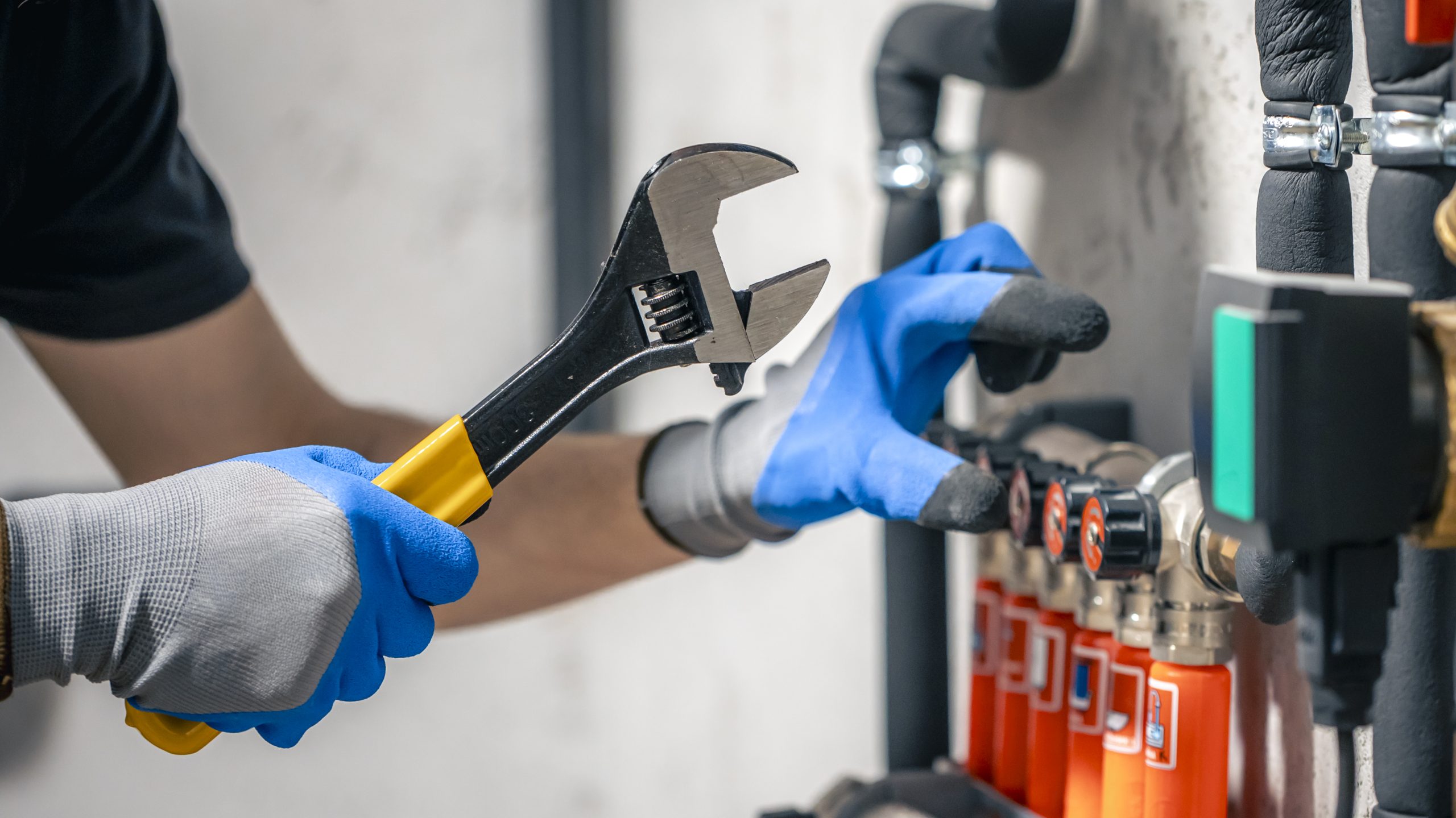
Remove the valve and flush with clean water.
Remove debris or scale buildup inside the valve body.

6.3 Internal Part Replacement
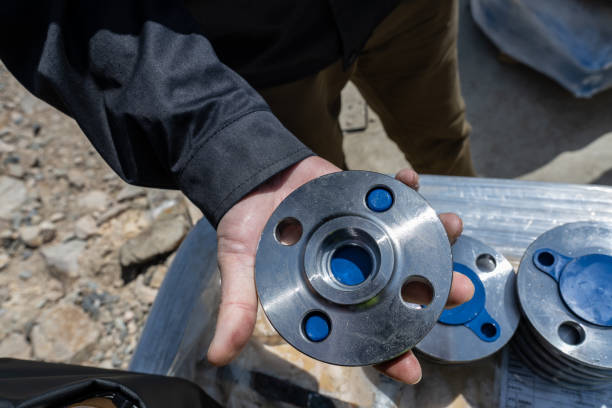
Disassemble the valve carefully.
Replace worn parts (e.g., disc, seat, spring).
Use OEM parts for replacement.
6.4 Reassembly and Testing
Reassemble with care, aligning all parts properly.
Pressure test the valve before putting it back in service.

Depressurize and drain the system before servicing.
Wear protective gear (gloves, goggles).
Follow lockout-tagout procedures during maintenance.
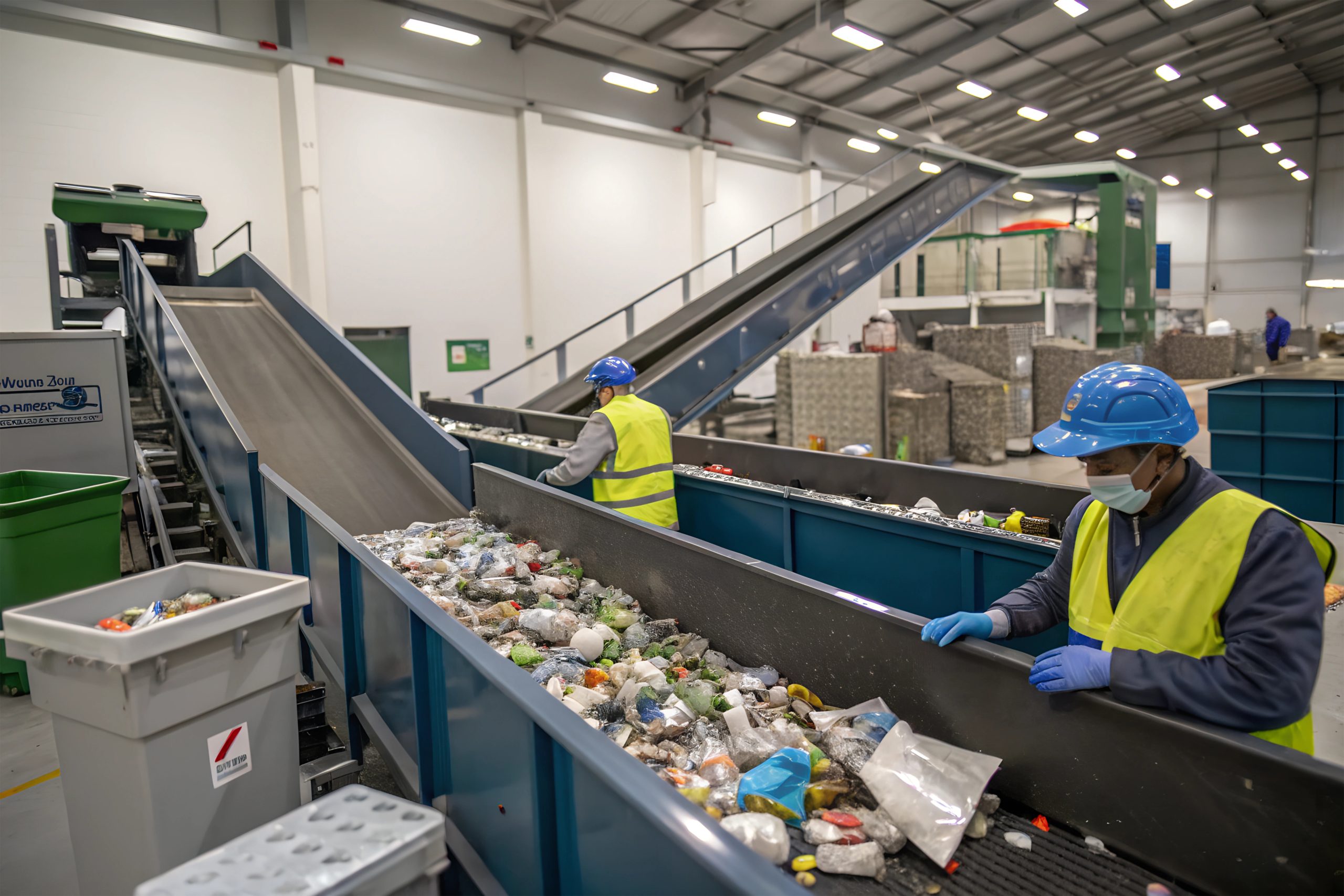
Follow local environmental regulations for metal and rubber disposal.
Clean before recycling or disposal.
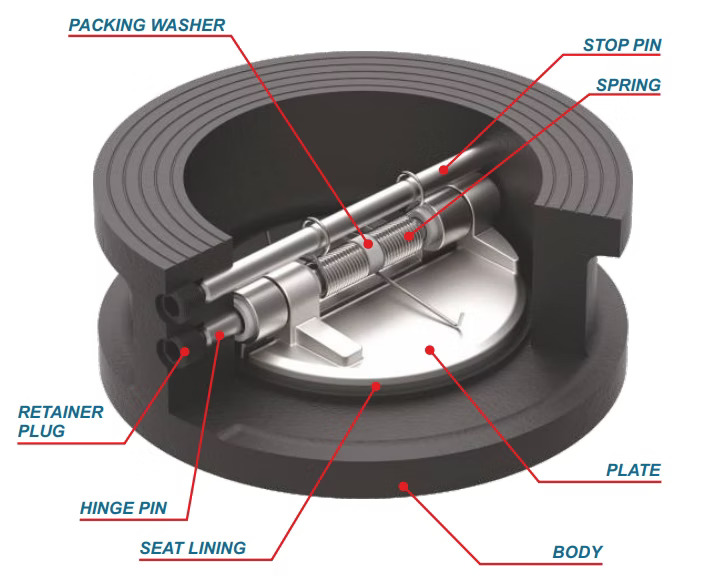
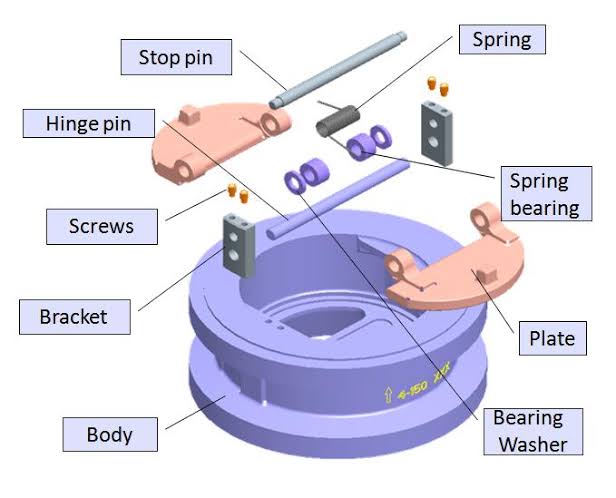
A Dual Plate Check Valve (also called a double door or wafer check valve) is designed to prevent backflow in piping systems. It uses two spring-loaded plates that open with forward flow and close quickly to prevent reverse flow, minimizing water hammer. This manual outlines best practices for the valve’s lifecycle, including handling, installation, and maintenance.
2.1 Transportation
Keep the valve in its original packaging during handling and shipping.
Use proper lifting techniques or equipment, especially for large-diameter valves.
Protect the valve from mechanical impacts and rough handling.
Avoid exposure to rain, moisture, and corrosive environments during transport.

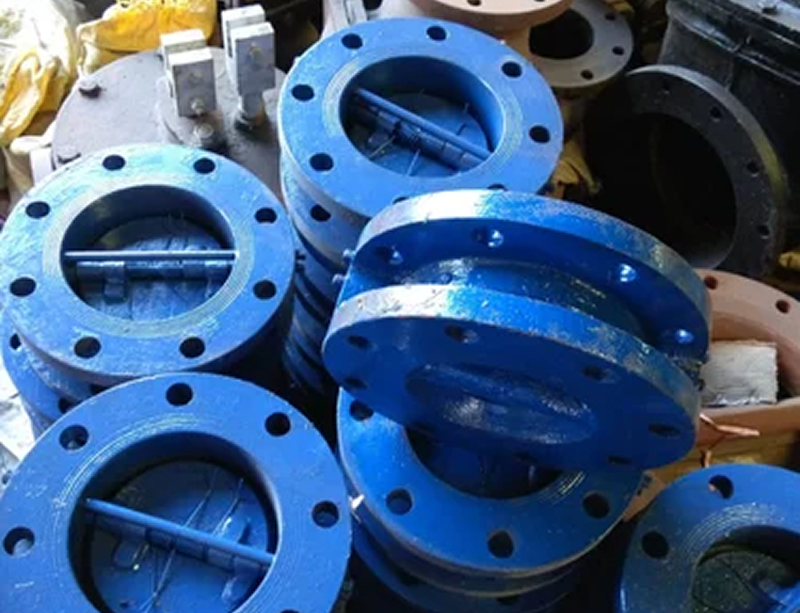
2.2 Storage
Store in a clean, dry, and shaded area.
Maintain ambient temperature and humidity to avoid condensation.
Plug or cap valve ends to prevent ingress of debris or insects.
Avoid stacking heavy items on the valve to prevent deformation.
3.1 Pre-Installation Checklist
Verify the valve is suitable for the intended service (media, pressure, temperature).
Inspect the valve for shipping damage or contamination.
Clean valve and pipeline interior to remove dust, scale, or foreign material.
3.2 Installation Guidelines
Ensure the flow arrow on the valve body matches the system flow direction.
Install the valve between flanges using the appropriate gaskets.
Center the valve properly to avoid interference with plate movement.
Avoid over-torquing flange bolts—tighten bolts in a crisscross pattern to ensure even compression.
Vertical installation is preferred with upward flow; horizontal installations should ensure that plates swing open easily.
3.3 Piping Support
Properly support upstream and downstream piping to reduce stress on the valve.
Do not use the valve to support pipe weight.
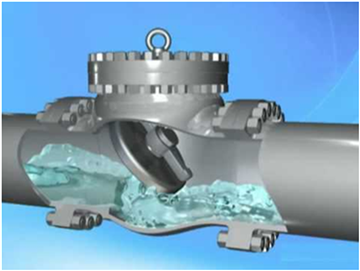
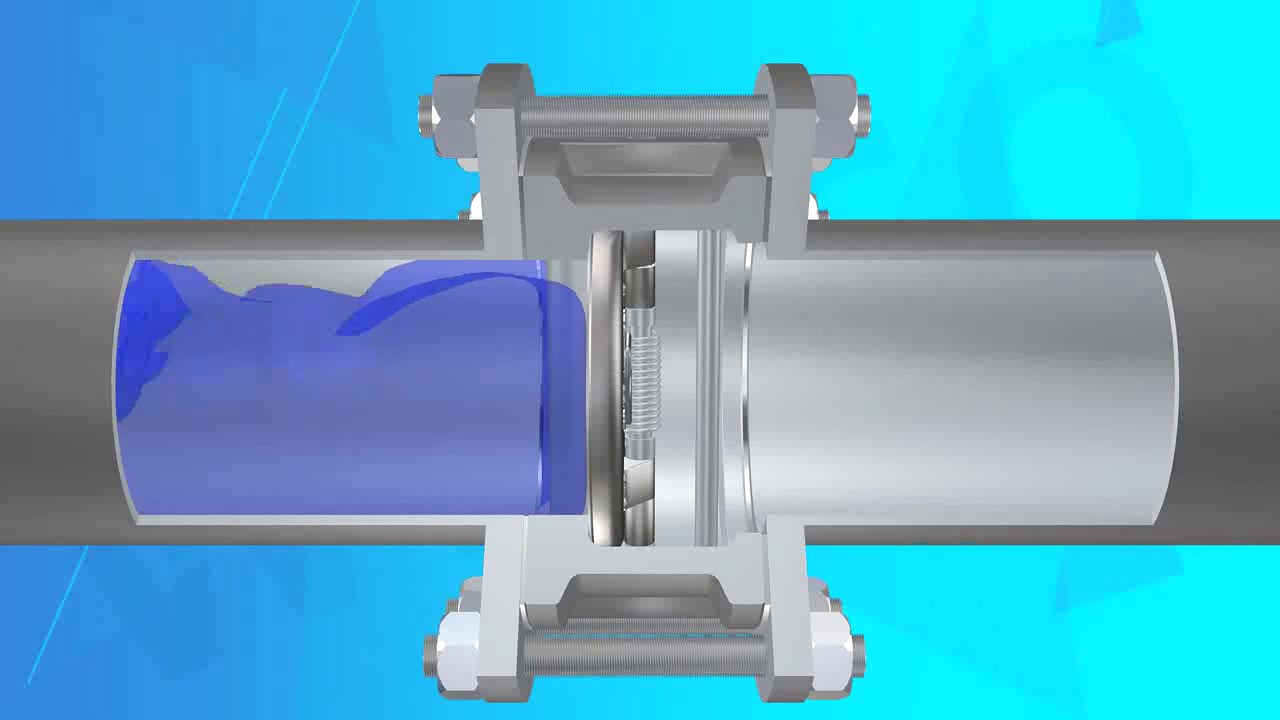
The valve operates automatically based on flow direction and pressure.
It requires no manual operation or external power.
Sudden flow reversal or high-pressure differentials may cause premature wear or
noise (water hammer).
6.1 Inspection Frequency
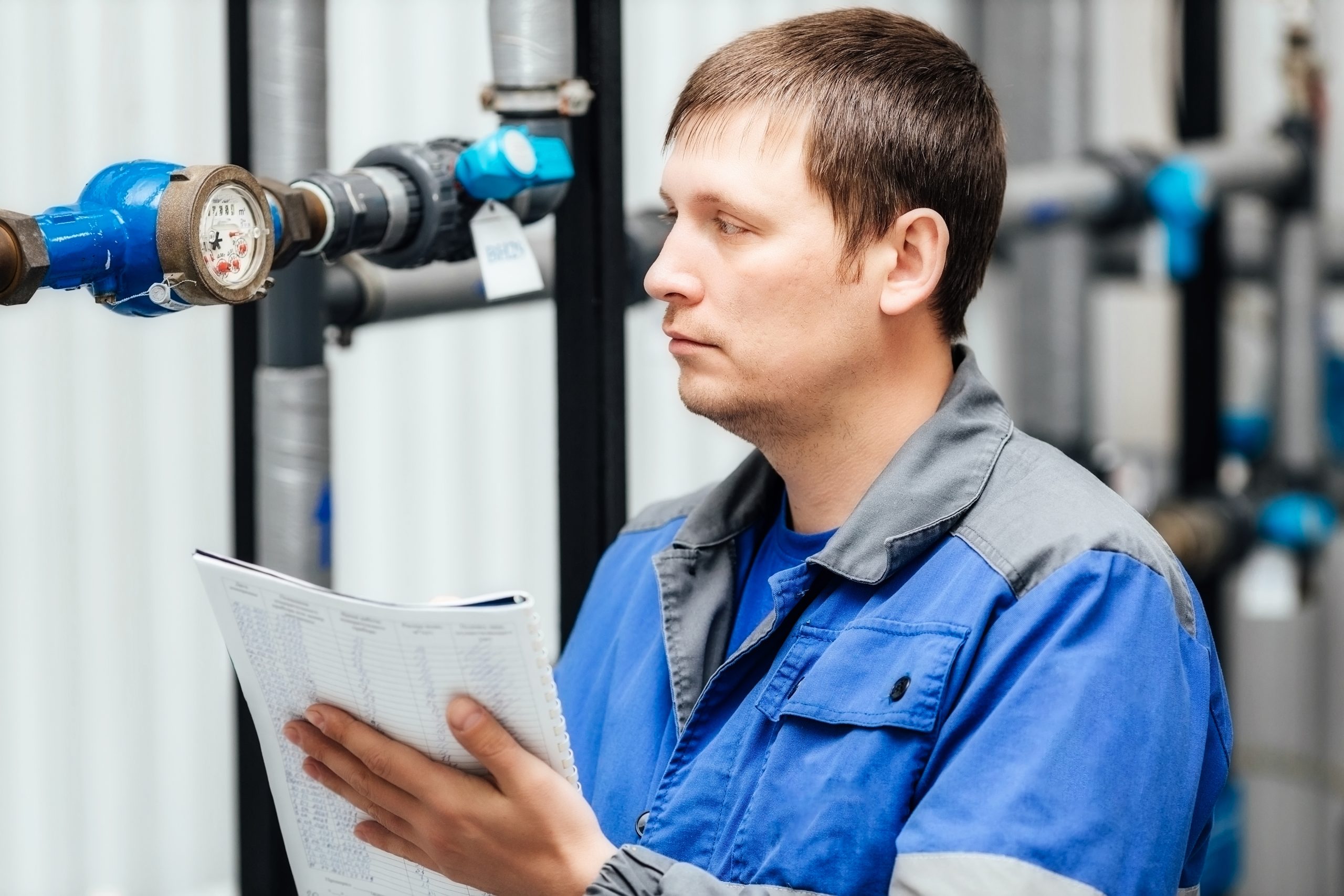
Visual Inspection Every 3–6 months (or per usage).
Full Internal Inspection Every 12 months.
Leak Test Annually or as required.
6.2 Routine Maintenance
Remove valve from the line for thorough inspection.
Check for corrosion, cracks, spring integrity, and seat wear.
Clean all components using appropriate cleaning agents.
Replace worn or damaged parts with OEM-approved components.
6.3 Reassembly and Testing
Ensure all moving parts function freely before reassembly.
Use new gaskets and apply uniform bolt torque during reinstallation.
Pressure test valve to system specs before resuming operation.

Fully depressurize and isolate the pipeline before removal or servicing.
Wear personal protective equipment (PPE) appropriate for the service media.
Use proper lifting tools and methods to handle heavy valves.
Follow lockout-tagout (LOTO) procedures in industrial environments.
Dispose of according to local regulations for metals and elastomers.
Recycle metal components where facilities exist.
Remove hazardous media residues before disposal.